6 Sunflowers Watercolor Pattern: A Versatile Design for Creative and Professional Workflows
The 6 Sunflowers Watercolor Pattern is a striking visual design that combines the natural beauty of sunflowers with the soft, flowing aesthetics of watercolor art. This pattern is not just an artistic choice; it's a functional tool that can enhance your creative process, streamline workflows, and elevate the quality of your projects. Whether you're working on school assignments, professional presentations, or personal hobbies, this design offers a unique way to add visual appeal and coherence to your work.
Understanding the 6 Sunflowers Watercolor Pattern
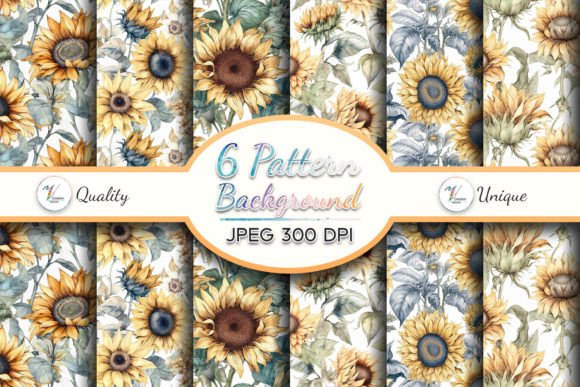
The 6 Sunflowers Watercolor Pattern consists of six distinct sunflower illustrations rendered in a watercolor style. These designs are typically characterized by their soft edges, subtle color gradients, and organic shapes. Each sunflower in the pattern may vary slightly in size, orientation, or detail, creating a dynamic yet harmonious composition. This versatility allows the pattern to be used in a wide range of applications, from digital backgrounds to printed materials.
This pattern is particularly useful for those who value both aesthetics and functionality. It can serve as a background element, a decorative border, or even an icon within a larger design. The key to its effectiveness lies in its ability to blend seamlessly into different contexts while maintaining its visual identity.
Integrating the Pattern Into Your Workflow
Incorporating the 6 Sunflowers Watercolor Pattern into your workflow can be done at various stages of a project. Before beginning a task, you might use the pattern as a visual cue to set the tone or mood of your work. For example, if you're designing a presentation about nature or sustainability, using this pattern as a background can help reinforce the theme visually.
During the execution phase, the pattern can act as a reference point for consistency. If you're creating multiple documents or pages, applying the same pattern across all of them ensures a cohesive look. This is especially important in branding or marketing materials where visual consistency is crucial.
After completing a project, the pattern can be used to finalize the design or add finishing touches. It can be applied as an overlay, a watermark, or even a decorative element that adds a personal touch to your work. In this way, the pattern becomes part of the overall narrative of your project.
Practical Use Cases Across Different Domains
The 6 Sunflowers Watercolor Pattern has broad applicability across various fields. Here are some specific examples:
- Education: Teachers and students can use this pattern in study guides, flashcards, or classroom decorations. Its calming and natural aesthetic makes it ideal for learning environments.
- Professional Work: Designers, marketers, and entrepreneurs can incorporate this pattern into business cards, website templates, or promotional materials to create a warm and inviting brand image.
- Hobbies and Crafts: Artists and crafters can use this pattern in scrapbooking, greeting cards, or fabric designs. Its versatility allows it to be adapted to different mediums and techniques.
- Personal Projects: Individuals working on home decor, DIY projects, or personal blogs can benefit from the pattern's visual appeal and ease of integration.
Regardless of the domain, the key to successful implementation is understanding how the pattern interacts with other elements in your design. It should complement rather than overpower the content it accompanies.
Enhancing Productivity with Visual Consistency
One of the most significant benefits of using the 6 Sunflowers Watercolor Pattern is its ability to promote visual consistency. When working on multiple projects or tasks, having a consistent visual theme can improve focus and efficiency. This is particularly valuable in environments where time management and organization are critical.
To maximize this benefit, consider creating a library of pre-designed templates that include the pattern. This approach saves time and ensures that your work maintains a uniform appearance across different platforms or formats. Additionally, using tools like graphic design software or online generators can make it easier to apply the pattern consistently throughout your projects.
Compatibility and Usability Considerations
Before implementing the 6 Sunflowers Watercolor Pattern, it's essential to consider compatibility with other tools and resources. Ensure that the file format of the pattern (e.g., PNG, JPEG, SVG) is compatible with the software or platform you're using. Some patterns may require additional processing or conversion before they can be effectively used in certain applications.
Usability is another factor to keep in mind. While the pattern is visually appealing, it should not interfere with readability or functionality. For instance, when using it as a background for text-heavy documents, choose a version of the pattern that doesn't distract from the main content. Testing the pattern in different contexts can help identify potential issues and ensure optimal performance.
Long-Term Use and Adaptability
The 6 Sunflowers Watercolor Pattern is designed for long-term use, making it a valuable asset for anyone involved in ongoing creative or professional endeavors. As trends evolve, the pattern remains relevant due to its timeless and natural aesthetic. This adaptability ensures that it continues to be useful across different periods and industries.
Moreover, the pattern can be modified or customized to suit changing needs. Whether you want to adjust the colors, scale, or layout, the flexibility of the design allows for easy adaptation without compromising its visual integrity. This makes it an excellent choice for individuals and businesses looking for a durable and versatile design solution.
By integrating the 6 Sunflowers Watercolor Pattern into your workflow, you can enhance the visual quality of your work while maintaining consistency and efficiency. Its practicality, versatility, and aesthetic appeal make it a powerful tool for both creative and professional applications. With careful planning and thoughtful implementation, this pattern can become an integral part of your design process, helping you achieve greater success in your projects and endeavors.